
Resource centre
Your questions.
A little clarity.
Answers from the family FAQ supplied by Mariel.
Empowering Children. Supporting Families. Building Brighter Futures.
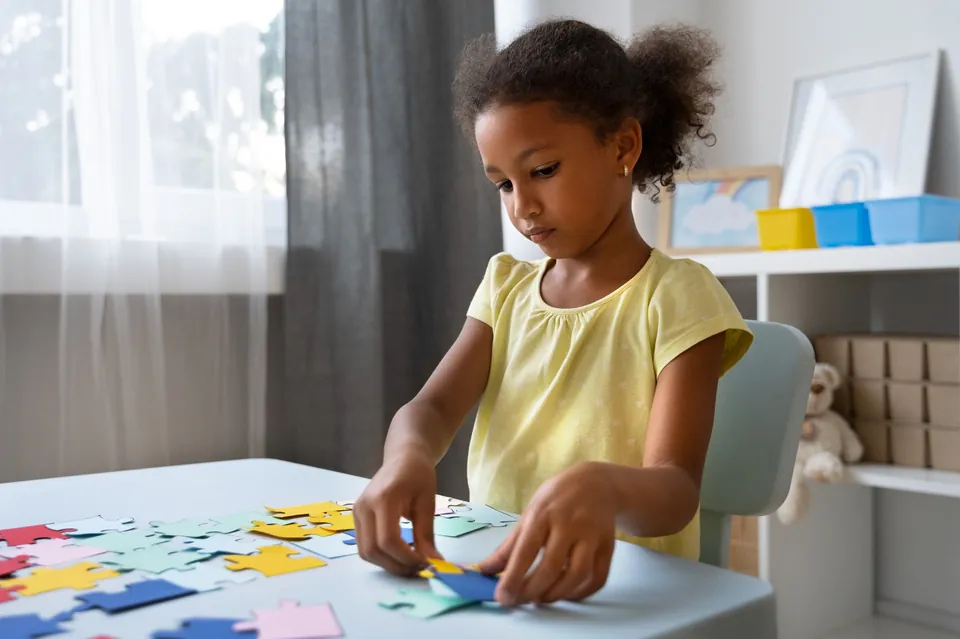
What is early intervention?
Early intervention provides developmental services and support to infants and toddlers who have developmental delays, disabilities, or concerns that may affect how they learn, communicate, move, interact, or perform everyday activities.
At Mariel Early Intervention, our goal is to identify each child's individual strengths and needs as early as possible and work collaboratively with families to support meaningful developmental progress. In New York State, Early Intervention serves eligible children under age three.
When should I seek an assessment for my child?
You do not have to wait until a problem becomes severe. Consider seeking an assessment whenever you have concerns about your child's development - for example, speech or language, responding to their name or directions, eye contact, play and social interaction, motor skills, feeding or self-help skills, repetitive or challenging behaviors, or loss of previously acquired skills.
Parents know their children well, and developmental concerns are worth exploring. An assessment does not automatically mean that your child has a disability; it helps determine your child's strengths, needs, and whether additional support may be beneficial.
What age children does Mariel support?
For services provided through the New York State Early Intervention Program, eligible children are infants and toddlers under three years of age who have a qualifying developmental delay or diagnosed condition.
As Mariel grows, our goal is to help families understand available resources and support appropriate transitions when children approach age three and may need continued services.
What happens during an assessment?
An assessment is designed to develop a comprehensive picture of your child's development and individual strengths and needs.
Qualified professionals may evaluate communication, cognitive development, physical development, social-emotional development, and adaptive/self-help skills. The process may include observation, parent interviews, developmental activities, standardized assessment tools, and professional clinical judgment. Parents are also given information about the results and what they mean for their child.
Do parents participate in intervention?
Yes. Parent and caregiver participation is an important part of early intervention.
Children learn throughout their everyday routines, including outside therapy sessions. Families can learn strategies for supporting communication, play, behavior, independence, and other developmental skills during meals, playtime, getting dressed, outings, and other everyday activities.
Our philosophy at Mariel is that professionals and families should work together to help the child succeed.
How long does intervention take?
There is no single timeline that applies to every child. Each child develops differently, and the frequency, intensity, and duration of services depend on the child's individual needs, goals, progress, and approved service plan.
Progress should be monitored regularly so strategies and goals can be adjusted as the child's needs change. For children participating in New York's Early Intervention Program, services are documented through an Individualized Family Service Plan (IFSP).
Can I refer my child myself?
Yes. In New York State, parents can refer their own child to the Early Intervention Program when they have concerns about their child's development. You do not have to wait for someone else to recognize the concern before seeking information or beginning the referral process.
Mariel Early Intervention can help families understand the early intervention process and the next steps available to them.
New York program details apply to New York State. For Ghana services and eligibility, please contact Mariel.
Download the family FAQ New York State guidance (external)A next step, together
Your child’s next step
could start with one conversation.
If you have questions about your child’s development, we’re here to listen.